What Makes Food Truly Nourishing?
January 2026
Understanding Nourishing Food
Nourishing food is fundamentally about nutrient density. A nourishing food delivers a high concentration of essential vitamins, minerals, phytonutrients, healthy fats, and fibre relative to its caloric content. This means that when we eat nourishing foods, our bodies receive substantial nutritional value in reasonable portions.
The Six Essential Nutrient Categories
All human nutrition depends on six fundamental nutrient categories: carbohydrates, proteins, fats, vitamins, minerals, and water. Each plays specific roles in maintaining bodily functions, energy production, immune support, and cellular repair. Nourishing foods typically deliver significant amounts across multiple categories rather than being one-dimensional sources of energy.
Whole vs. Refined Ingredients
When a food is refined—for instance, when whole grains are processed into white flour—many nourishing components are lost. The bran and germ, which contain fibre, B vitamins, and minerals, are removed. The remaining endosperm consists primarily of starch. This is why whole grain products are considered more nourishing: they retain the full nutrient profile nature provided.
Micronutrient Diversity
Nourishing foods are not just sources of macronutrients. They contain thousands of bioactive compounds—antioxidants, phytochemicals, polyphenols—that support cellular health and combat oxidative stress. Different coloured vegetables contain different phytonutrient profiles. Eating a variety of whole plant foods naturally introduces this diversity into our diet.
Back to Articles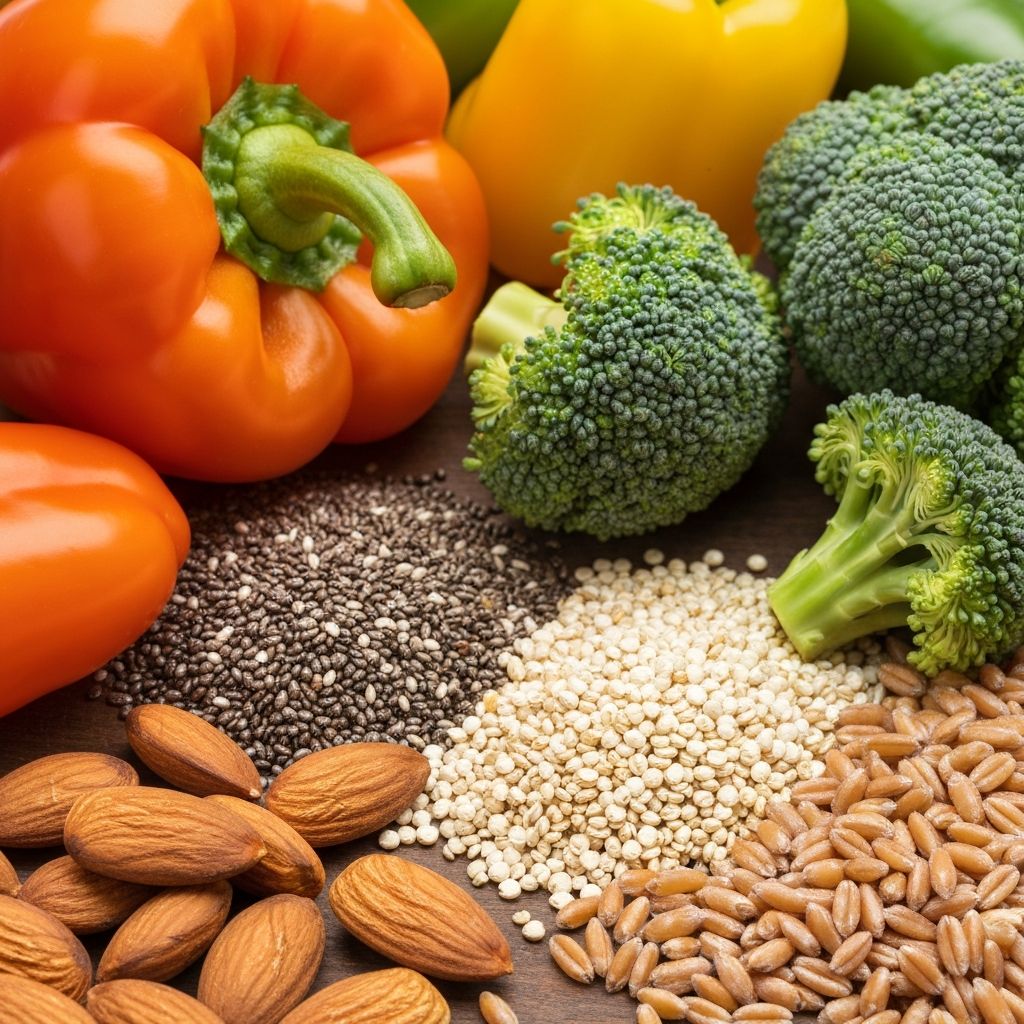
Practical Examples of Nourishing Foods
Whole Grains
Brown rice, quinoa, oats, and wheat berries contain all three components: bran, germ, and endosperm. They provide complex carbohydrates, fibre, B vitamins, and minerals like magnesium and manganese. Because they digest more slowly than refined grains, they provide sustained energy rather than rapid blood sugar spikes.
Legumes
Beans, lentils, and chickpeas are remarkable in their nutrient density. They provide plant-based protein, fibre, iron, folate, and polyphenols. The combination of protein and fibre makes them particularly satiating. They have been dietary staples across cultures for millennia because of their accessibility and nutritional completeness.
Fresh Vegetables
Vegetables in their whole, unprocessed state contain virtually all the micronutrients our bodies require. Cruciferous vegetables like broccoli and kale deliver sulforaphane and other cancer-protective compounds. Leafy greens provide iron, calcium, and folate. Root vegetables offer complex carbohydrates and minerals in seasonal abundance.
Healthy Fats
Nuts, seeds, avocados, and cold-water fish provide essential fatty acids, particularly omega-3s, which are critical for brain health, inflammation regulation, and cellular function. These are not "empty" calories but concentrated sources of essential nutrients that support numerous physiological processes.
Eggs
Eggs contain all nine essential amino acids, making them a complete protein source. They also provide choline for cognitive function, lutein for eye health, and selenium for immune support. The nutrient profile of eggs demonstrates how a single whole food can deliver comprehensive nutritional value.
Herbs and Spices
Often overlooked, herbs and spices are concentrated sources of antioxidants and bioactive compounds. Turmeric contains curcumin, a powerful anti-inflammatory compound. Cinnamon may support stable blood sugar. Using herbs and spices enriches dishes both flavourfully and nutritionally.
The Role of Food Processing
Modern food processing can range from minimal (like freezing fresh vegetables immediately after harvest) to extensive (like the creation of ultra-processed foods). Minimal processing often preserves nutrients. Excessive processing—adding sugar, removing fibre, adding artificial additives—reduces nourishing value. Understanding where foods fall on this spectrum helps us make informed choices about what enters our bodies.
Disclaimer: This article is educational in nature and provides general information about nutrition. It is not personalised advice or a substitute for consultation with a qualified healthcare professional or registered dietitian.